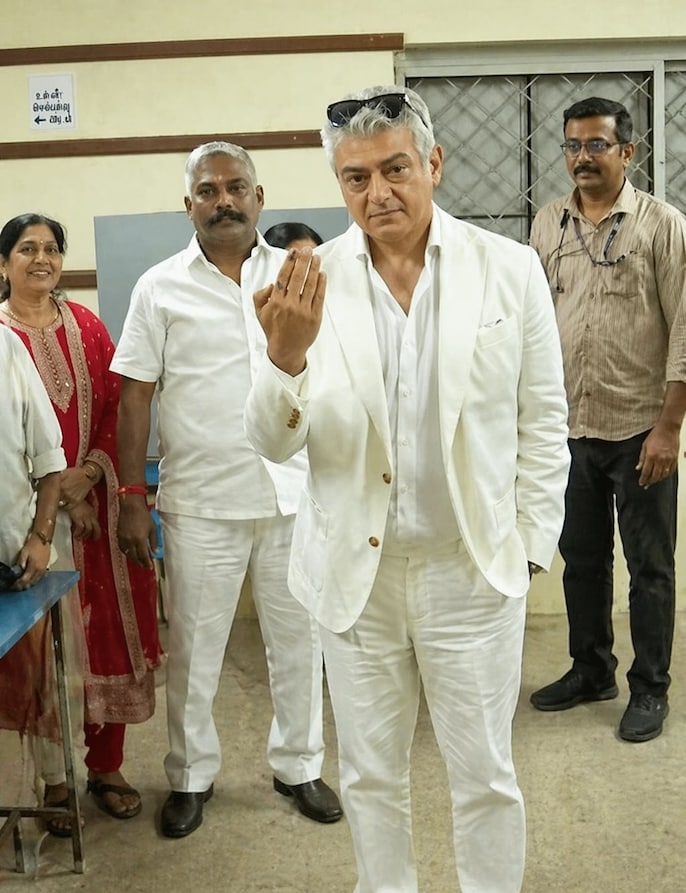


Rahul Gandhi Seen with Jyoti Malhotra? Here’s the Truth Behind the Viral Photo
In the fast-paced world of social media, a single image can go viral within minutes, sparking a range of speculations, rumors, and debates. One such image that recently grabbed the attention of Indian netizens and political observers featured Congress leader Rahul Gandhi alongside Jyoti Malhotra, a prominent Indian journalist and political analyst. The photograph quickly made its rounds across social media platforms, triggering a wide array of reactions. Given Rahul Gandhi's position as a senior leader of the Indian National Congress (INC) and Jyoti Malhotra’s established reputation as a well-known political commentator, it was inevitable that their association in the image would generate considerable public interest.
But what is the truth behind this viral photograph? Was there a hidden agenda behind the meeting, or was it simply a casual encounter? Let’s delve deeper into the context, the reactions, and the broader implications of this incident.
The Viral Photograph: What Sparked the Speculation?
The image that went viral featured Rahul Gandhi, Member of Parliament from Wayanad, and Jyoti Malhotra, who is widely recognized for her work in the field of journalism, particularly political reporting. In the photograph, the two were seen in what appeared to be an informal setting, both engaged in conversation. The nature of the meeting — whether it was a chance encounter, a planned interview, or a more private discussion — wasn’t immediately clear, and this ambiguity set the stage for a cascade of speculation.
As with many viral photos, the lack of clarity around the context prompted many users to project their own narratives onto the image. Some speculated that it was part of a larger political strategy or media collaboration. Others pointed to it as a symbol of growing connections between political figures and journalists, possibly reflecting a behind-the-scenes alignment or ideological sharing.
However, to understand the truth behind the image, it is essential to take a step back and analyze the situation with a critical eye.
Who Are Rahul Gandhi and Jyoti Malhotra?
Before delving into the specifics of the photo, it is important to recognize the key figures involved:
-
Rahul Gandhi:
Rahul Gandhi, the scion of India’s Nehru-Gandhi family, is one of the most well-known politicians in the country. He is the former President of the Indian National Congress, a position he held from 2017 to 2019, and has been a Member of Parliament for several years. Known for his relatively youthful and often candid approach to politics, Rahul Gandhi has been a polarizing figure in Indian politics. His leadership has been criticized by opponents, but he also has a significant base of supporters, particularly within the Congress party. -
Jyoti Malhotra:
Jyoti Malhotra is an experienced journalist who has carved a niche for herself in political reporting and analysis. She has worked with several prominent media outlets and has become well-known for her in-depth coverage of political events. Malhotra is often viewed as an objective, incisive commentator, and her work frequently delves into the intricacies of both Indian and global politics. While she is not formally associated with any political party, her work has often placed her at the intersection of politics and media, where she maintains a somewhat independent voice.
The Truth Behind the Photo: A Casual Meeting or a Calculated Alliance?
Upon closer examination, the truth behind the viral photograph becomes clearer. Reports suggest that the image was not part of any coordinated political campaign or media strategy but rather a casual meeting. According to sources close to both individuals, the photo was taken during an informal interaction, possibly arranged by mutual acquaintances or shared professional interests. There is no evidence to suggest that the two were engaged in any covert political maneuvering or that the meeting was anything other than a regular social encounter.
The fact that the photo was shared publicly on social media added to its viral nature. In today's digital age, when everyone from political leaders to journalists maintains a constant presence on platforms like Twitter, Instagram, and Facebook, it’s not unusual for such images to spread quickly. It’s also important to note that the lines between professional and personal interactions can blur, especially in the case of high-profile individuals who are often in the public eye.
While the meeting was not pre-planned for political purposes, the nature of the relationship between politicians and journalists in India (as elsewhere) is often the subject of scrutiny. In a democracy like India, where the media plays a pivotal role in holding power to account, any public interaction between a journalist and a politician can spark widespread interest. In this case, the presence of Jyoti Malhotra, who is seen as a respected voice in political commentary, alongside Rahul Gandhi, added an extra layer of intrigue.
Public Reaction: Divisive or Supportive?
As expected, the viral photo sparked a mixed reaction from the public. For some, the sight of Rahul Gandhi and Jyoti Malhotra together seemed innocuous, even natural. It’s not uncommon for journalists to interact with politicians across party lines, as both groups often work closely together, especially in a large democracy like India. In fact, journalists are frequently invited to interviews, press conferences, and informal events by political figures, making such encounters a normal part of professional networking.
For others, however, the photograph was seen as more significant. Some social media users, particularly those from the Bharatiya Janata Party (BJP) and its supporters, took to the image to create a narrative of “sympathy” or “alignment” between the Congress party and certain sections of the media. The idea that prominent journalists might have an ideological or professional affinity with political figures often stirs suspicions about media bias, impartiality, and the supposed entanglement of politics and journalism. While such a connection isn’t inherently problematic, the perception of undue influence remains a contentious issue.
On the other hand, supporters of Rahul Gandhi and the Indian National Congress viewed the photo as further evidence of the ongoing conversation around politics and media transparency. These individuals argued that political leaders, especially from the opposition, should regularly engage with journalists in order to promote dialogue and accountability, regardless of party affiliation.
The Role of Media in Political Discourse
The incident surrounding the viral photograph also highlights the complex role the media plays in shaping political narratives in India. India is home to a highly competitive media landscape, where numerous outlets—both traditional and digital—are constantly vying for influence. Journalists, editors, and anchors, therefore, often find themselves at the center of political controversies, whether or not they have direct ties to political parties.
For Jyoti Malhotra, a seasoned journalist, her interactions with politicians are likely part of her professional responsibilities. Like many in her field, she is expected to interview, report on, and sometimes critique politicians, political parties, and their policies. The boundary between journalistic independence and political influence can often become blurry in such a charged atmosphere, leading to public debates about the nature of media relations.
While media freedom remains a fundamental right in India, the perception of media biases, particularly in times of political polarization, can undermine public trust in both media institutions and political figures. This is a challenge that both journalists and politicians must navigate carefully, ensuring that they maintain professionalism while avoiding the appearance of partisanship or collusion.
What Does This Mean for Rahul Gandhi’s Political Journey?
For Rahul Gandhi, the photo with Jyoti Malhotra likely doesn’t signify any new political alignment or strategic move. Instead, it is more reflective of his efforts to engage with the media and remain connected to the public discourse. In recent years, Gandhi has sought to strengthen his public image, particularly after the Congress party’s defeat in the 2019 General Elections. He has focused on rebranding himself as a leader who is more attuned to the needs of the youth, engaging with global leaders, and shaping narratives that resonate with the wider public.
While the photograph may have sparked temporary controversy, it is unlikely to have a long-lasting impact on his political fortunes. What matters more for Rahul Gandhi, in the context of the upcoming elections and party dynamics, will be his ability to connect with voters and position the Congress Party as a credible alternative to the BJP. Political figures, especially those in the opposition, frequently engage with journalists to advance their ideas and vision, and this interaction is an essential part of democratic discourse.
Conclusion
The viral photo of Rahul Gandhi and Jyoti Malhotra may have caused some temporary ripples in the political and media landscape, but the truth behind it is relatively straightforward. It was a casual meeting between a prominent politician and a respected journalist, and there is no evidence to suggest any ulterior political motives behind it.
In a country like India, where the intersection of politics and media is a constant topic of debate, it is essential for both politicians and journalists to maintain professional boundaries and ensure transparency in their interactions. The viral nature of the photo merely underscores the public’s deep interest in how these two worlds—politics and media—interact. But ultimately, the true measure of influence and credibility lies in the actions and words of those involved, not just in a moment captured by a camera.